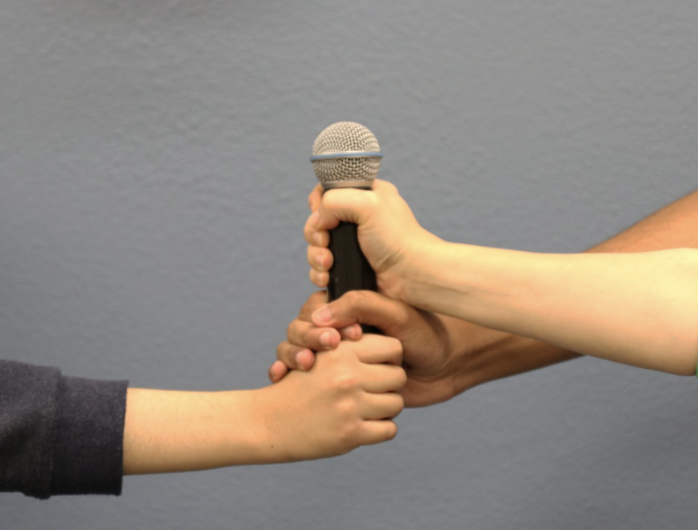
Staff opinion: The staff unanimously agrees the growing emphasis on competition in schools is weakening student community and must be rebalanced to prioritize student sense of belonging.
High school is often regarded as where students find their place – personally, academically and socially. However, according to a study by the Aspen Institute, students’ sense of belonging has declined nationwide, with 40% of US high school students feeling disconnected from their classmates.
While many factors contribute to this shift, as pressure to stand out for college admissions and achievement continues to rise, connection is increasingly treated as secondary to success. To reverse this, schools must rebalance their priorities by reducing the overemphasis on competitive achievement in order to promote a sense of belonging.
The plight of competition
As college applications become more competitive each year, extracurriculars become increasingly cutthroat. To appear “fit” for college, students have two options: spread themselves thin or specialize. Students must involve themselves in different clubs, sports and organizations or dive deeply into a single area of interest. According to the National Library of Medicine, the pressure to specialize early can unintentionally limit opportunities to build relationships outside of those spaces and strain relationships within them. Thus, the school begins to feel like it is made up of separate groups rather than one, unified community.
This issue is amplified in Texas through the University Interscholastic League (UIL) allowing extracurricular classes to be built into each student’s school day. While this does encourage excellence and passion within these programs, for many schools, the nature of this schedule often results in prioritization of extracurricular/athletic success over all else. Because of this, an Oxford study found, “soft skills” – such as communication and emotional regulation abilities – are developing at a slower rate for students, due to overemphasis on physical achievements. When success is prioritized over all else, students can begin to lose the ability to connect with others, ultimately leading to a lack of belonging at one’s school.
Finally, the highly competitive nature of this culture also causes burnout, which can lead to isolation. Aspen Institute closely ties this burnout to rising levels of student stress and emotional fatigue reported nationwide. When school becomes primarily about performance and keeping up, students are less likely to have the time or energy to maintain friendships, join informal communities or participate in low-pressure activities. Over time, this creates a cycle: increased expectations lead to burnout, and burnout leads to isolation, which further weakens the sense of belonging that schools are supposed to foster.
A call for change
Emphasis on statistics and competitiveness does not foster a sense of community. To fix this gap in connection, schools need to reduce pressure placed on performance-based achievement and rethink how student success is defined and supported. For example, a study conducted by the Learning Policy Institute revealed that schools designed around support and collaboration, rather than material success, had stronger student belonging. By implementing this form of curriculum – via project-based education and collaborative learning structures – as well as increasing support for burnout, and reducing the pressure around college admissions, a proper student community can begin to form.
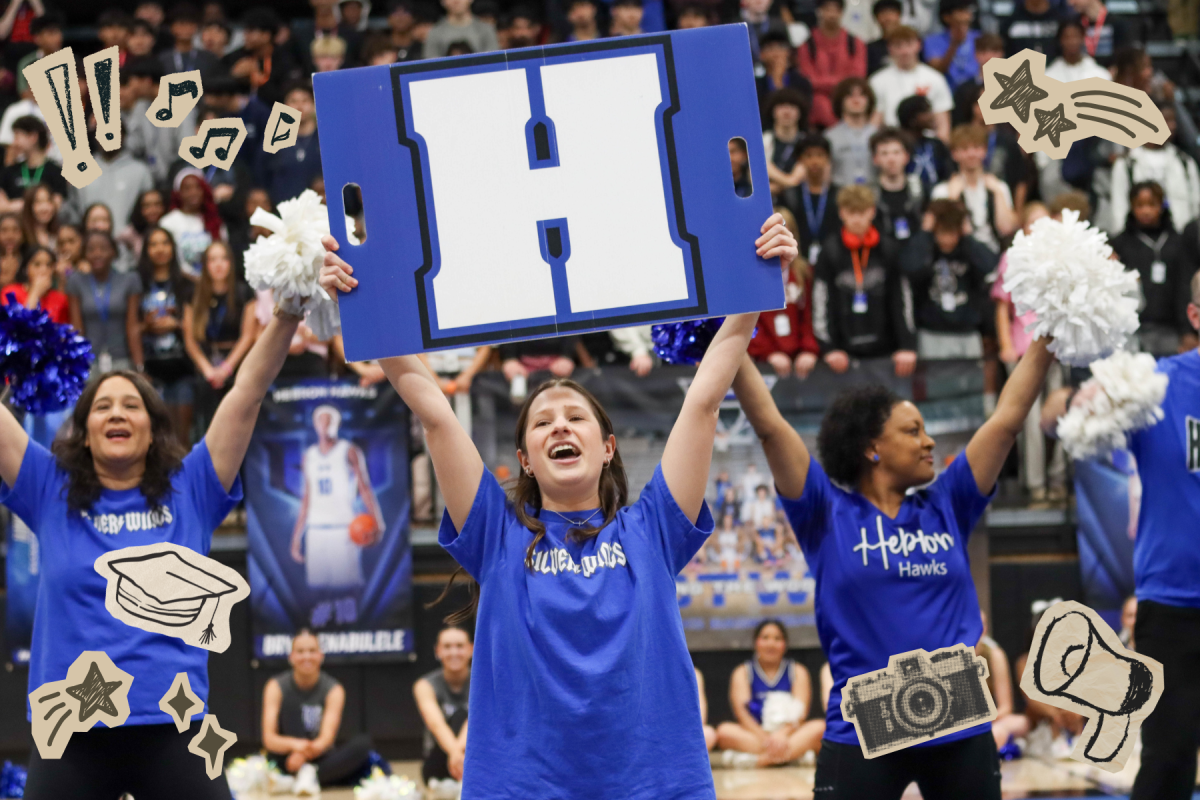
While these changes do not eliminate competition entirely, they help balance it with environments where students are actively working together rather than constantly being ranked against one another. Hebron already shows strengths that can support this rebalancing. There is strong mental health support available, a diverse student body and a variety of casual, low-pressure spaces where students can interact outside of competitive environments such as football games and club meetings. These existing structures show that connection is possible when students are not only defined by achievement.
When organizations and academics become highly competitive or resume-driven, they stop functioning as spaces for community building and instead become another source of pressure. Rebalancing this culture would allow extracurriculars to better serve their original purpose: helping students connect, rather than compete.